Protecting Freedom, Privacy, Dignity and Equality in an Increasingly Connected World
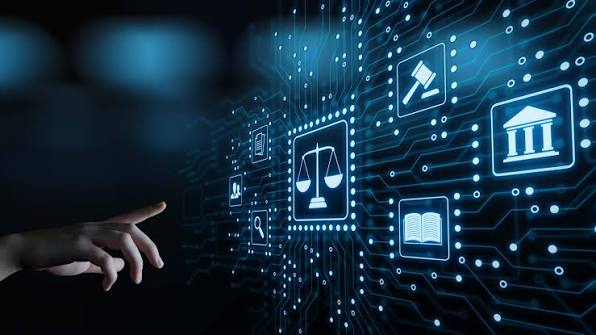
The digital revolution has transformed the way people communicate, work, learn and participate in society. The internet, social media, artificial intelligence and digital technologies have created new opportunities for education, economic growth and global cooperation. However, these developments have also introduced serious challenges to human rights.
In today’s interconnected world, defending human rights means protecting people not only in physical spaces but also in the digital environment.
Human Rights Must Be Protected Online and Offline
Fundamental human rights do not disappear when people go online. Freedom of expression, access to information, privacy, equality and personal dignity must be respected in digital spaces just as they are in everyday life.
The internet has become an important platform for individuals to express opinions, share information, raise awareness and participate in public discussions. At the same time, online censorship, unlawful surveillance, digital discrimination and restrictions on access to information can threaten these freedoms.
A safe and inclusive digital environment requires respect for human rights, accountability and equal access to technology.
Key Human Rights Challenges in the Digital Age
1. Privacy and Data Protection
Personal information is increasingly collected and processed by digital platforms, organisations and institutions. Protecting personal data, preventing misuse and ensuring transparency are essential to safeguarding individual privacy.
2. Freedom of Expression Online
Digital platforms provide powerful opportunities for people to express their views and engage in public debate. However, online harassment, intimidation, censorship and the spread of harmful content can undermine meaningful participation and freedom of expression.
3. Cyberbullying and Online Harassment
Women, children, human rights defenders, journalists and vulnerable communities can face threats, abuse and targeted harassment online. Stronger awareness, effective reporting mechanisms and responsible digital behaviour are necessary to address these concerns.
4. Digital Inequality
Millions of people still face barriers to internet access, digital education and modern technology. Rural communities, persons with disabilities and economically disadvantaged populations must not be left behind in the digital transformation.
5. Artificial Intelligence and Human Rights
Artificial intelligence offers significant opportunities but also raises concerns involving discrimination, privacy, transparency and accountability. Technology should be developed and used responsibly, with respect for human dignity and fundamental freedoms.
The Role of Human Rights Defenders
Human rights defenders have an important role in addressing digital rights challenges. Through advocacy, education, awareness campaigns and international cooperation, they can help communities understand their rights and encourage responsible use of technology.
Governments, technology companies, educational institutions, civil society organisations and individuals also share responsibility for building a digital environment that is safe, accessible and respectful of human rights.
Building a Safer and More Inclusive Digital Future
Protecting human rights in the digital age requires collective action. Digital literacy, stronger privacy safeguards, accessible technology, responsible artificial intelligence and effective protection against online abuse are important steps towards a fairer digital society.
Technology should empower people, strengthen communities and expand opportunities—not become a tool for discrimination, exploitation or the denial of fundamental freedoms.
IHRDF’s Commitment
The International Human Rights Defenders Foundation (IHRDF) supports the promotion and protection of human rights through awareness, education, advocacy and international cooperation.
We believe that human dignity, freedom, equality and justice must remain at the centre of technological progress. By encouraging dialogue and responsible digital practices, we can work towards a future where everyone can participate in the digital world safely and equally.
Human rights are universal. Their protection must extend to every space—including the digital world.
International Human Rights Defenders Foundation (IHRDF)
Promoting Human Dignity, Equality, Justice and Peace.